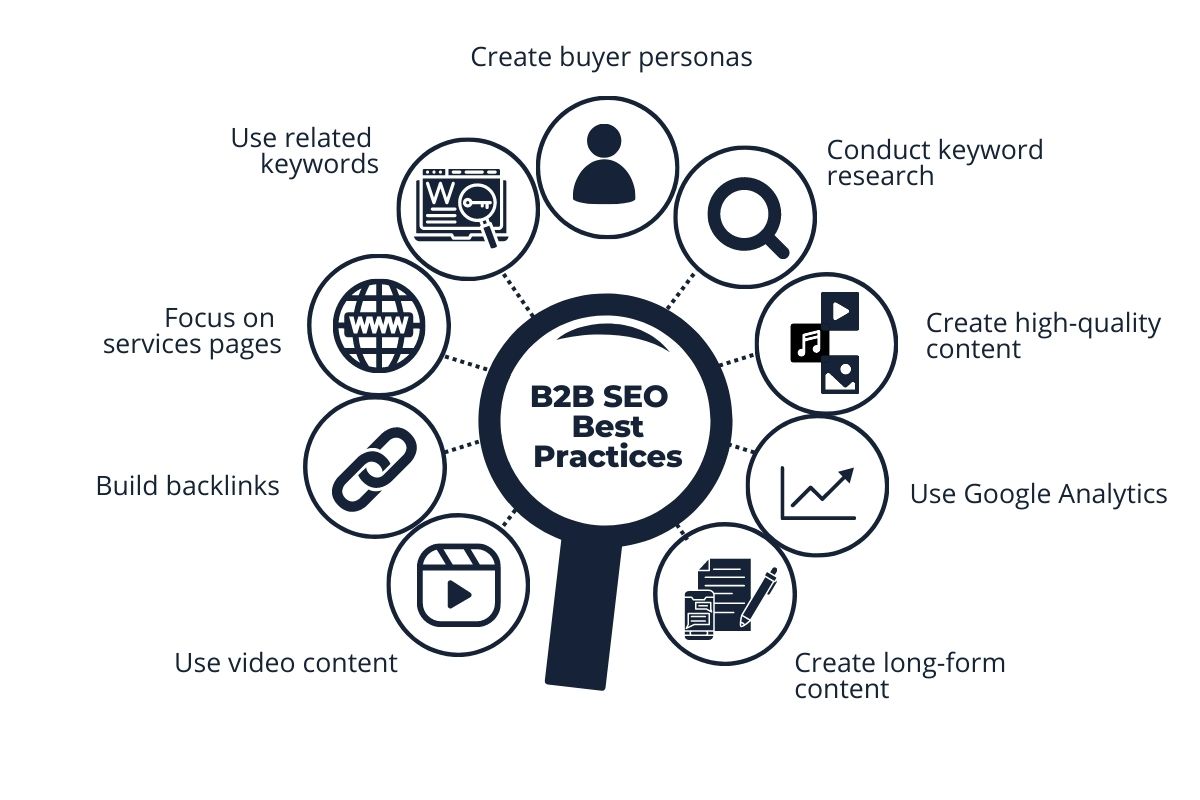
In late 2025, SEO has fundamentally shifted from keyword matching to entity optimization. Search engines—and increasingly, AI-driven “answer engines” (like Search Generative Experience/AI Overviews)—no longer just look for strings of text; they look for definitive “entities” (people, places, concepts) and the relationships between them.
The Golden Rule for 2025: You cannot “trick” the algorithm with volume. You must convince the AI that you are the definitive authority on a specific topic. The most successful strategy is a hybrid model: using AI for scale and structure, but relying on deep human expertise (E-E-A-T) to build trust.
Level 1: The Foundation (Beginner)
Focus: Technical Health & Search Intent
Before chasing advanced tactics, ensure your “digital house” is built on solid ground. In 2025, even minor technical errors can disqualify you from AI Overviews.
1. “Intent-First” Keyword Research
Stop looking for just “high volume” keywords. Instead, categorize keywords by Search Intent.
- Informational: “How to fix a leaky faucet” (Create a guide/video).
- Transactional: “Buy 1/2 inch washer” (Create a product page).
- Commercial: “Best plumbing tools 2025” (Create a comparison review).
- Action: Use tools like Semrush or Ahrefs to find “Long-Tail” questions. These have lower volume but significantly higher conversion rates because the user knows exactly what they want.
2. Technical Hygiene
- Core Web Vitals: Your site must load instantly. Remove unused JavaScript and implement “lazy loading” for images (loading images only as the user scrolls down).
- Mobile-First Indexing: Google predominantly indexes the mobile version of your site. If your mobile site is clunky, your desktop rankings will suffer.
- HTTPS Security: A non-negotiable trust signal. Sites without SSL certificates are flagged as “Not Secure,” destroying user trust immediately.
3. On-Page Basics
- Title Tags & Meta Descriptions: these are your “ad copy” in search results. Include your target keyword near the front.
- URL Structure: Keep it clean and readable (e.g.,
yourdomain.com/seo-guidevs.yourdomain.com/p=123).
Level 2: The Growth Engine (Intermediate)
Focus: Topical Authority & Strategic Link Building
Once the basics are set, you need to prove to search engines that you are an expert.
1. The “Hub and Spoke” Content Model (Topic Clusters)
Instead of writing random blog posts, build Topical Authority.
- The Hub (Pillar Page): A comprehensive guide covering a broad topic (e.g., “Complete Guide to Digital Marketing”).
- The Spokes (Cluster Pages): 10-20 specific articles linking back to the Hub (e.g., “SEO for Beginners,” “Email Marketing Tips,” “PPC vs. SEO”).
- Why it works: This internal linking structure signals to Google that you cover the entirety of a topic, not just one keyword.
2. Strategic Link Building (Quality > Quantity)
Backlinks are still a top ranking factor, but “spammy” links now hurt you more than ever.
- Digital PR / Newsjacking: Monitor industry news. When a major story breaks, create a data-backed commentary or infographic and pitch it to journalists. This earns high-authority news links.
- Link Reclamation: Use tools to find unlinked mentions of your brand. Email the author and politely ask them to turn the text into a link.
- Resource Page Outreach: Find pages listing “Best Tools for X” and pitch your tool/content as a valuable addition.
3. Schema Markup (Structured Data)
You must speak the search engine’s language. Schema code tells the AI exactly what your content is.
- Action: Implement
FAQschema for Q&A pages,Articleschema for blogs, andProductschema for e-commerce. This increases your chance of appearing in “Rich Snippets” (star ratings, images, and pricing directly in search results).
Level 3: The Edge (Advanced)
Focus: AI Optimization & Programmatic Scale
This is where you separate yourself from competitors. These strategies leverage automation and data science.
1. Optimizing for AI Overviews (SGE)
To appear in the AI-generated summary at the top of search results:
- Direct Answers: Start your content with a concise, direct answer to the user’s question (definitions, steps, or data summaries). AI models prioritize content that is “scannable” and factual.
- Structure: Use clear H2 and H3 headers. AI relies on document structure to parse information.
- Citation Authority: AI cites sources it trusts. Ensure your “About Us” and author pages are robust, detailing specific credentials (E-E-A-T).
2. Programmatic SEO (pSEO)
This strategy uses data and templates to create thousands of landing pages at once.
- The Concept: Instead of manually writing 500 pages for “Best Coffee Shop in [City],” you build a database of cities and coffee shops, then use a template to generate pages for “Best Coffee Shop in Lima,” “Best Coffee Shop in Bogota,” etc.
- The Risk/Reward: Done poorly, this is spam. Done well (with unique data points for each page), it captures massive “long-tail” traffic.
- Implementation: Use tools like WP All Import or custom scripts. Ensure every generated page offers unique value (e.g., specific opening hours, local reviews, or map data) so it’s not just duplicate text.
3. Advanced Local SEO: Hyperlocal & GBPGM
- Hyperlocal Content: Create dedicated pages for specific neighborhoods or districts, not just whole cities.
- GBPGM (Google Business Profile Growth Manager): Use automation tools to keep your Google Business Profile active with weekly updates, photos, and review responses. An active profile is a major ranking signal for local “Near Me” searches.
Measuring Success in 2025 (Beyond Rankings)
With AI Overviews taking up screen space, “Rank #1” matters less than “Visibility.”
| Metric | Why It Matters Now |
|---|---|
| Share of Voice | Are you appearing in the AI Snapshot? Are you cited as a source? |
| Organic Revenue | Traffic is vanity; revenue is sanity. Track which pages actually drive sales. |
| Engagement Rate | High bounce rates signal to AI that your content wasn’t helpful. Focus on “Time on Page.” |
| Brand Mentions | Even unlinked mentions signal authority to modern algorithms. |